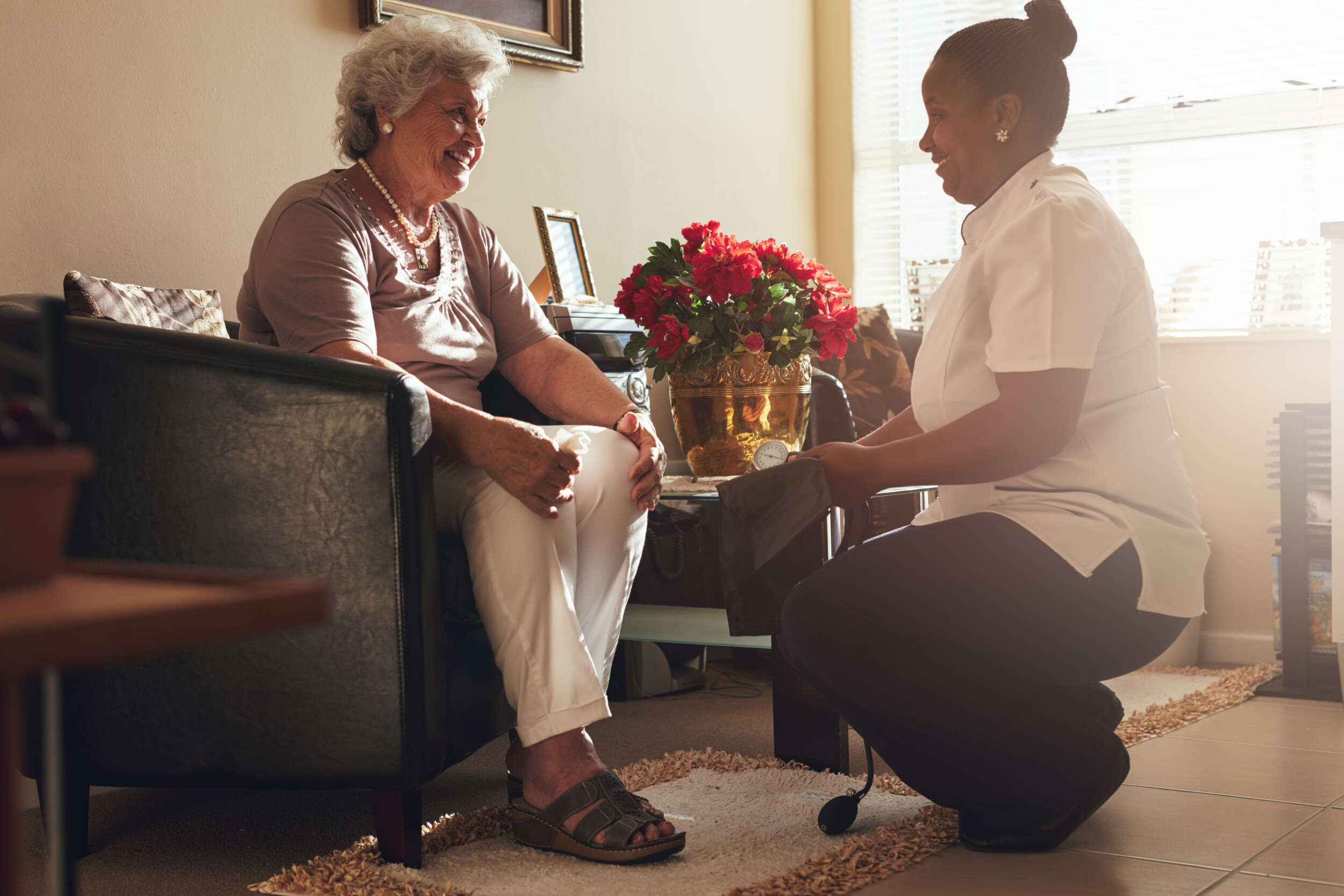
Loneliness is a common issue among elderly people, with social isolation and feelings of loneliness affecting many seniors. The impact of loneliness on mental and physical health is well-documented, with studies showing that social isolation can lead to depression, anxiety, and other mental health problems. Additionally, loneliness can lead to physical health problems, such as a weakened immune system, high blood pressure, and even an increased risk of mortality.
Companionship and Social Support:
One of the primary ways that home care providers can help combat loneliness and social isolation in elderly people is by providing companionship and social support. Elderly people who live alone or have limited mobility may have few opportunities to engage in social activities or interact with others, which can lead to feelings of loneliness and isolation. Home care providers can help address these issues by offering companionship and social support.
Companionship can take many forms, depending on the interests and preferences of the senior. For example, a home care provider may engage in activities with the senior, such as playing board games or cards, going for a walk or to a movie, or simply having a conversation. By engaging in these activities, the home care provider can provide social interaction and help the senior feel less lonely and isolated.
In addition to providing companionship, home care providers can also offer emotional support and be a listening ear for seniors to express their thoughts and feelings. This can be especially important for seniors who may have limited opportunities to share their experiences or feelings with others. Home care providers can offer a non-judgmental and compassionate presence, which can help seniors feel valued and supported.
Furthermore, home care providers can help seniors stay connected with friends and family through technology or in-person visits. For example, a home care provider can assist the senior with setting up and using video chat technology, which can enable the senior to have virtual conversations with loved ones who may live far away. Alternatively, a home care provider can accompany the senior to in-person visits with friends or family, which can help seniors maintain social connections and reduce feelings of isolation.
Assistance with Daily Activities:
In addition to providing companionship and social support, home care providers can also offer assistance with daily activities for seniors who may have difficulty with tasks like cooking, cleaning, and transportation. This type of assistance can be particularly important for seniors who may be experiencing physical limitations or health issues, which can make it difficult for them to maintain their independence and remain active in their communities.
Home care providers can help seniors with a variety of daily activities, depending on their needs and preferences. For example, a home care provider can help the senior plan and prepare healthy meals, which can be important for maintaining good health and preventing loneliness and depression. The home care provider can assist with grocery shopping, meal planning, and cooking, or simply provide companionship during meal times.
In addition to assistance with meals, home care providers can also help with laundry and housekeeping tasks, which can be especially important for seniors who have difficulty with mobility or other health issues. A home care provider can help with tasks like washing clothes, cleaning dishes, and vacuuming or sweeping floors, which can help seniors maintain a clean and comfortable living environment.
Home care providers can also offer assistance with transportation, which can help seniors remain active in their communities and reduce feelings of loneliness and isolation. For example, a home care provider can accompany the senior to appointments or social events, which can help them stay connected with their friends and family and maintain a sense of purpose and independence.
Personalized Care and Attention:
One of the key benefits of home care is that it provides seniors with personalized care and attention. Unlike in a nursing home or assisted living facility, home care providers work one-on-one with each senior to develop a care plan that addresses their specific needs and preferences.
Home care providers can offer a wide range of services, depending on the needs of each senior. For example, a home care provider can help manage medications, which can be important for seniors who have multiple prescriptions or who may have difficulty remembering to take their medications on their own. The home care provider can assist with organizing medications, setting reminders, and ensuring that the senior is taking the correct dosages.
In addition to medication management, home care providers can also help with grooming and hygiene tasks. For seniors who may have difficulty with tasks like bathing, dressing, and toileting, a home care provider can offer assistance and support. This can help seniors feel more comfortable and confident in their daily routines, which can improve their overall quality of life.
Home care providers can also provide specialized care for seniors with dementia or other cognitive impairments. For example, a home care provider can offer memory care services, which can help seniors with dementia stay engaged and connected with their surroundings. The home care provider can use techniques like reminiscence therapy, cognitive stimulation, and sensory activities to help seniors with dementia maintain their cognitive abilities and improve their overall quality of life
Loneliness and social isolation can have a significant impact on the mental and physical health of elderly people. However, home care can help combat these issues by offering companionship, social support, assistance with daily activities, and personalized care and attention. If you or a loved one is struggling with loneliness or social isolation, consider exploring home care as a solution to help improve mental and physical health.